
The Cons of Polishing Your Rolex: A Loss of Authenticity?
- Diminishing Value for Vintage Rolexes:
For vintage Rolexes, polishing is a much more controversial issue. Many collectors and enthusiasts argue that polishing can significantly reduce the value of a vintage best replica rolex, particularly if the polishing has altered the original case lines, bezel shape, or lug dimensions. Vintage Rolexes, such as the early Submariners, GMT-Masters, and Daytonas, are prized for their originality. The presence of scratches and marks—often referred to as “patina”—is seen as part of the watch’s history, telling the story of its journey through time. Polishing a vintage Rolex erases this patina, making the watch appear less authentic and potentially lowering its desirability in the eyes of collectors. - Risk of Over-Polishing:
One of the biggest risks associated with polishing is the potential for over-polishing. Every time a Rolex is polished, a small layer of metal is removed from the surface. While a single polish may have a minimal effect, repeated polishing over the years can gradually thin out the case and bracelet, altering the watch’s original proportions. Over-polishing can lead to rounded lugs, thinner bezels, and an overall loss of sharpness in the watch’s design. These subtle changes may not be immediately noticeable to the untrained eye, but for collectors and experts, they can significantly affect the watch’s appeal and value. - Loss of Originality:
Rolex fake watches are meticulously crafted with attention to every detail, from the precise curvature of the case to the specific finish of the bezel. Polishing, especially when done improperly, can alter these original design elements, making the watch look different from how it did when it first left the Rolex factory. For purists, a Rolex that has been heavily polished loses some of its originality, as the watch no longer reflects the brand’s exacting standards. This is particularly true for limited-edition models or rare vintage pieces, where originality is paramount. - Potential Impact on Water Resistance:
Rolex watches, particularly models like the Submariner and Sea-Dweller, are renowned for their water resistance. However, polishing can potentially compromise the water resistance of a Rolex, especially if the seals around the case back or crown have been disturbed during the polishing process. If you’re planning to polish a Rolex that you frequently use for diving or other water-related activities, it’s essential to have the watch’s water resistance tested afterward to ensure that it hasn’t been compromised.
Given the pros and cons of polishing replica diamond watches, the question remains: How often should you polish your Rolex, if at all?
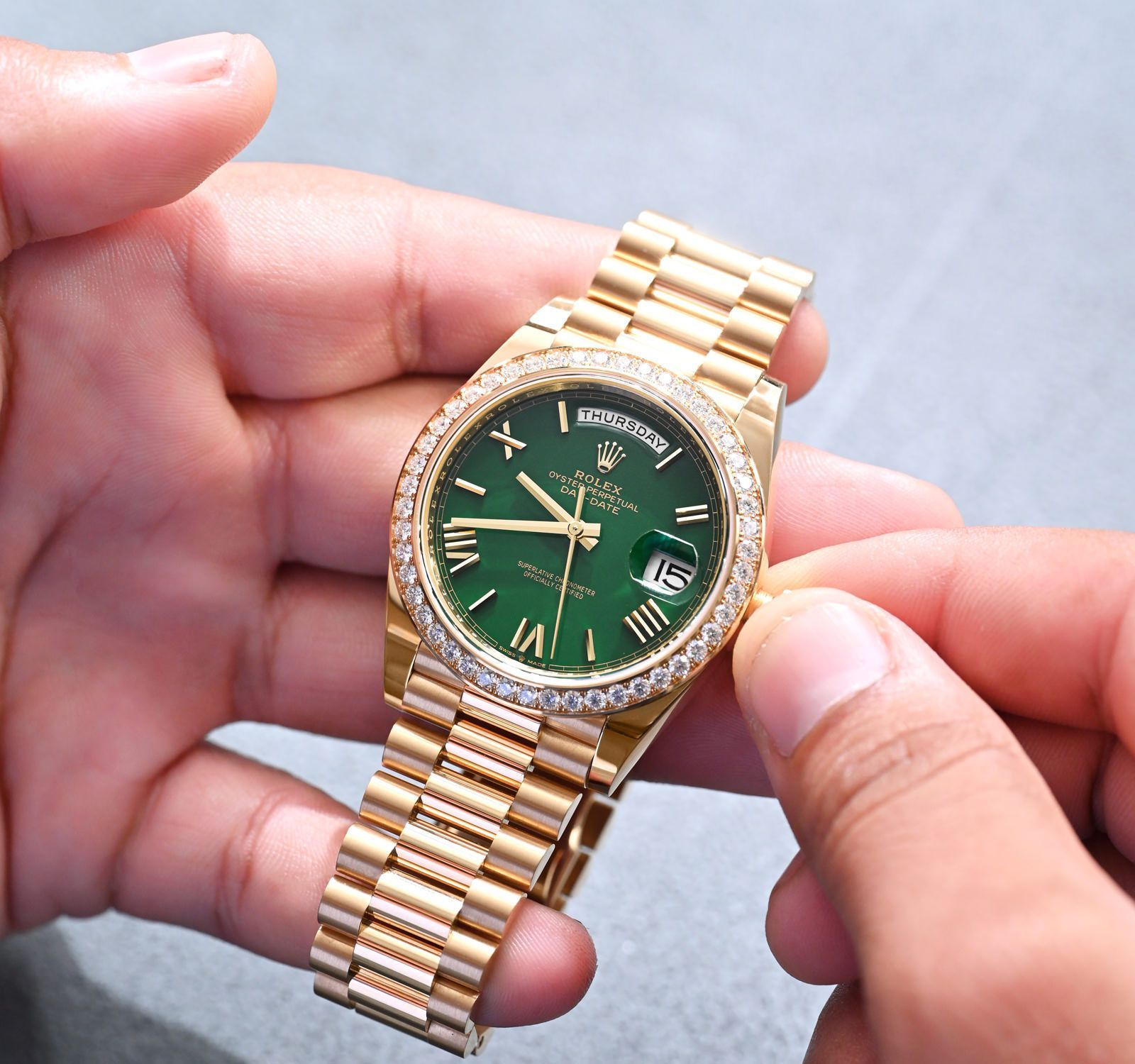
For modern Rolex watches, polishing every 5 to 10 years, as part of a broader service, is generally recommended. This allows the watch to maintain its aesthetic appeal without risking over-polishing. Rolex itself offers polishing as part of its official service, ensuring that any polishing is done to the brand’s exacting standards.
However, if your Rolex is a vintage model or a highly collectible piece, it’s best to avoid polishing altogether or to do so sparingly. Instead, embrace the natural wear and patina that comes with age, as these features often add to the watch’s charm and value.
For those who are unsure, the best course of action is to consult with a trusted Rolex specialist or authorized service center. They can assess the condition of your fake rolex for sale and provide expert advice on whether polishing is appropriate.